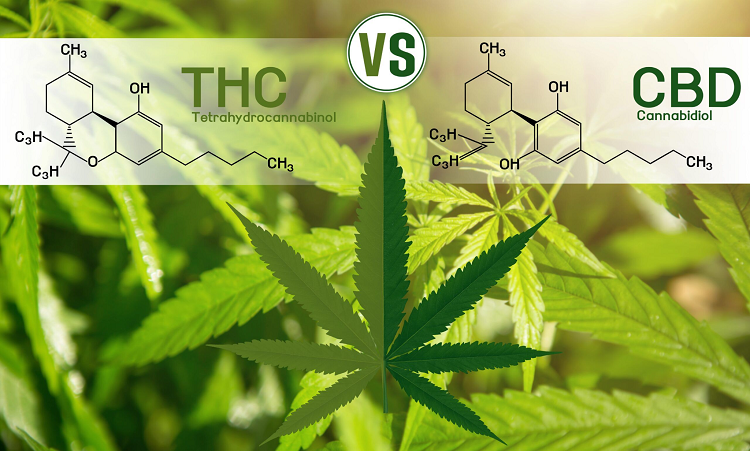
CBD (cannabidiol) and THC (tetrahydrocannabinol) are two of the most well-known compounds found in cannabis, but they have very different effects on the body. While both come from the same plant family, their interactions with the body’s systems vary significantly. Understanding these differences can help you make an informed decision about incorporating CBD into your wellness routine.
The Basics: What Are CBD and THC?
CBD and THC are cannabinoids, which are natural compounds found in cannabis and hemp plants. While they share some similarities, their effects on the body are quite distinct:
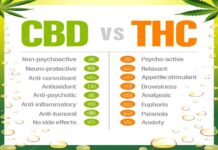
- CBD (Cannabidiol): A non-psychoactive compound known for its potential therapeutic benefits, including stress relief, pain management, and sleep support.
- THC (Tetrahydrocannabinol): The psychoactive component of cannabis that produces the “high” sensation associated with marijuana use.
How CBD and THC Interact with the Body
Both CBD and THC interact with the endocannabinoid system (ECS), a network of receptors that helps regulate functions like mood, pain, appetite, and sleep. However, they do so in different ways:
- THC binds directly to CB1 receptors, which are primarily located in the brain. This interaction is what causes the euphoric “high” feeling.
- CBD does not bind directly to CB1 or CB2 receptors but instead influences them indirectly, promoting balance in the body without causing intoxication.
Key Differences Between CBD and THC
| Feature | CBD | THC |
| Psychoactive Effects | No | Yes (produces a high) |
| Legal Status | Federally legal (if derived from hemp) | Illegal in many states (varies by location) |
| Medical Benefits | May help with anxiety, pain, inflammation, and sleep | Used for pain relief, appetite stimulation, and nausea |
| Side Effects | Minimal (dry mouth, drowsiness) | Can cause paranoia, dizziness, and impaired cognition |
Which One Is Right for You?
If you’re looking for relaxation, stress relief, or general wellness support without psychoactive effects, CBD is the better choice. It’s widely used for managing anxiety, chronic pain, inflammation, and sleep disorders without impairing cognitive function.
On the other hand, THC is often used for medical or recreational purposes where a stronger effect is desired, such as for pain relief or appetite stimulation. However, its legal status varies, so be sure to check local laws before use.
Final Thoughts
Both CBD and THC offer unique benefits, but CBD provides a natural, non-intoxicating way to support health and well-being. Whether you’re new to cannabinoids or looking for an alternative to THC, CBD is a safe and effective option for everyday wellness.
This article was written by a CBD Specialist at Uplift CBD. At Uplift CBD, we strive to provide our customers with the highest level of satisfaction by providing the best quality products.
We source our naturally occurring cannabinoids from only premium USA hemp farms. Our THCA Flower Wholesale are hand-made and carefully formulated to promote a legal, safe alternative to Delta 9 marijuana. They are grown and extracted in the USA. Because our CBD products are 100% natural and derived from the Non-GMO industrial hemp plant, they are legal for sale across all 50 states of the USA. Independently lab tested for purity and concentration; no other company has the quality and quantity of natural cannabinoids in our products for the same value! Shop our products today!